Picking fruit in New Zealand? Why the shake-up of horticulture training matters for visa holders
News · 2026-09-01 · 4 min read
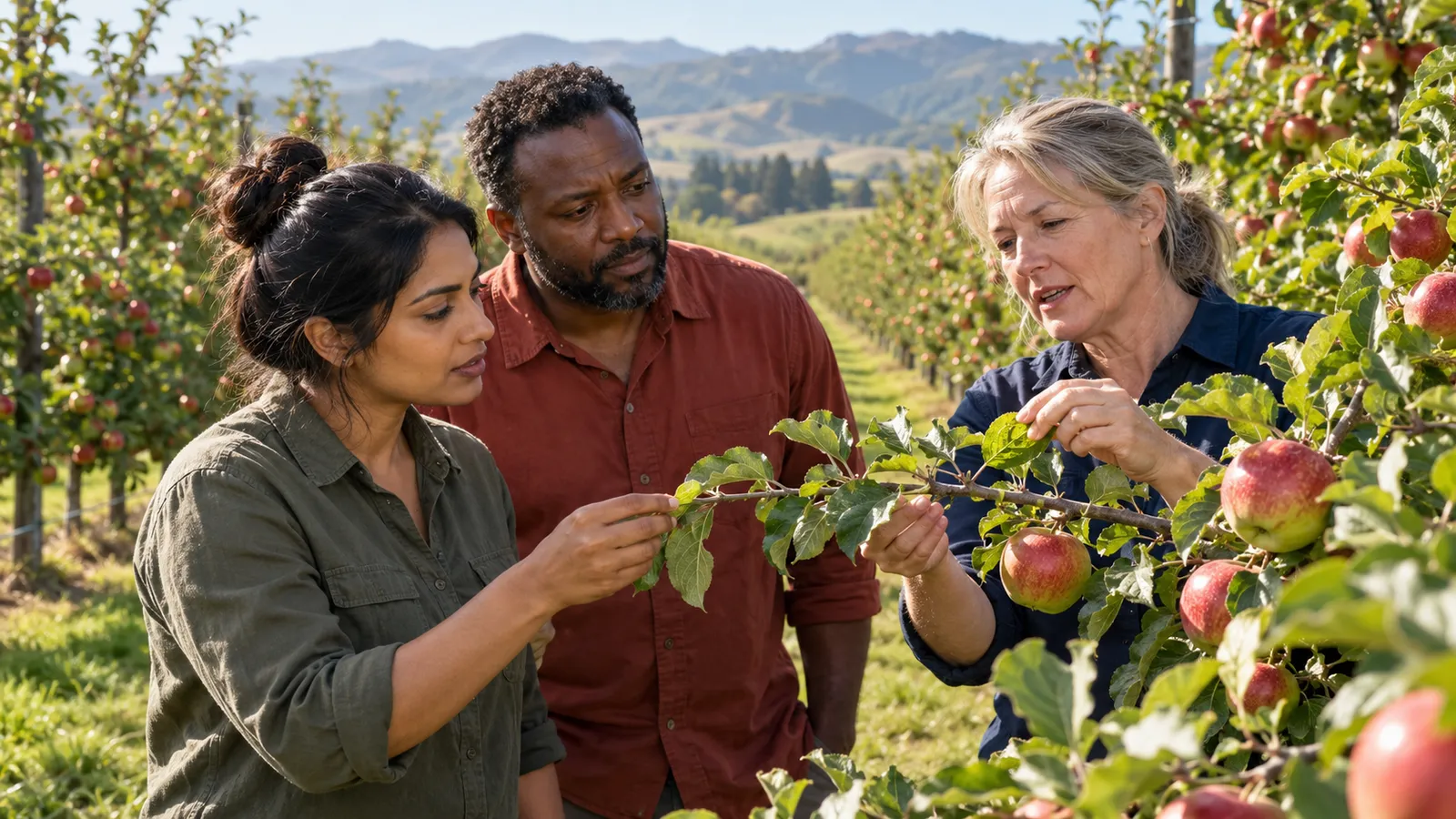
For a lot of people heading from the UK to New Zealand, the first job is outdoors: thinning apples, packing kiwifruit, working in a nursery. Some stay in the sector and want to move up into supervisor or specialist roles. Whether they can get formal training to do that depends on a system that is now being taken apart and rebuilt.
Who runs horticulture training now
From 1 January 2026, work-based training in horticulture moves out of Te Pūkenga and over to a new, temporary organisation, the Food and Fibre Industry Skills Board. It is the latest stage in several years of reorganisation across New Zealand's vocational education. The handover affects who gets trained, how training is delivered and whether people on visas can take part at all.
The proposal that could help migrant staff
The sector's new Food and Fibre Workforce Capability Strategy includes a proposal to restore training eligibility for workers on work visas. Under current settings, visa holders have found it harder to gain recognised, work-based qualifications in their job.
If that barrier goes, a migrant worker could start in general labouring and train their way into more skilled, better-paid positions. Employers gain too: they keep staff they have trained rather than starting again with newcomers each season. It is still a proposal in a strategy, though, not a change that has happened.
Why the industry leans on overseas workers
Migrant labour carries a large share of New Zealand's fruit and vegetable production. At the same time, work-based enrolments in fruit and vegetable training fell by roughly two-thirds between 2021 and 2024. Add an ageing local workforce and long-running skill shortages, and the dependence on international workers is easy to see. The awkward part is that the sector needing the steadiest skilled workforce is the one where training routes are least settled.
The timeline in brief
| When | What happens |
|---|---|
| Now until the end of 2027 | Primary ITO keeps delivering work-based horticulture training as a holding arrangement, covering around 1,500 current enrolments across the country |
| By June 2027 | The current arrangement stops taking new enrolments |
| By 2028 | Delivery is expected to pass to regional polytechnics and private training providers, with the Skills Board limited to setting standards |
Industry groups, Horticulture New Zealand and Primary ITO among them, have warned that without a clear plan, providers may decide not to run smaller qualifications that do not pay their way, even where the industry relies on them.
What could be lost
If providers only pick the most profitable courses, specialist horticulture training could fade out quietly. Those are often the qualifications that give a migrant worker a route towards skilled visa categories or residence pathways linked to recognised trade qualifications. Employers who sponsor visa holders face a practical question: if their training partner cannot promise a pathway through 2027 and beyond, what is the fallback?
A cadetship model that is growing
There is a more hopeful example. Primary ITO's Horticulture Cadetship Programme, first piloted in Pukekohe and now spreading to the Bay of Plenty, groups apprentices with peers, runs shared study sessions and gives each employer a dedicated adviser who handles training compliance. For a business balancing sponsorship duties with daily work, that kind of support makes formal training far easier to manage.
If you are going from the UK
If you are planning to work on New Zealand's orchards or in a packhouse and hope to build a career there, a few questions are worth asking an employer:
- Do they offer work-based training, and through which provider?
- Can staff on work visas enrol at present?
- What happens to training already under way if arrangements change in 2027 or 2028?
How the system settles will depend on how quickly government and industry line up over the next 18 months. You can follow official visa settings on Immigration New Zealand's website, and see which roles are open now on our jobs page.
#horticulture #new zealand #work visas #training #orchards #work in new zealand
 Weighing up a tech move to New Zealand from the UK? How AI is changing who gets hired
 Heading to New Zealand from the UK? Why a $90 million visa shortfall could push fees up again
 UK plumbers and gasfitters: why New Zealand must fill about 1,450 trade roles in the coming year